 Journal
The Bottle-folk
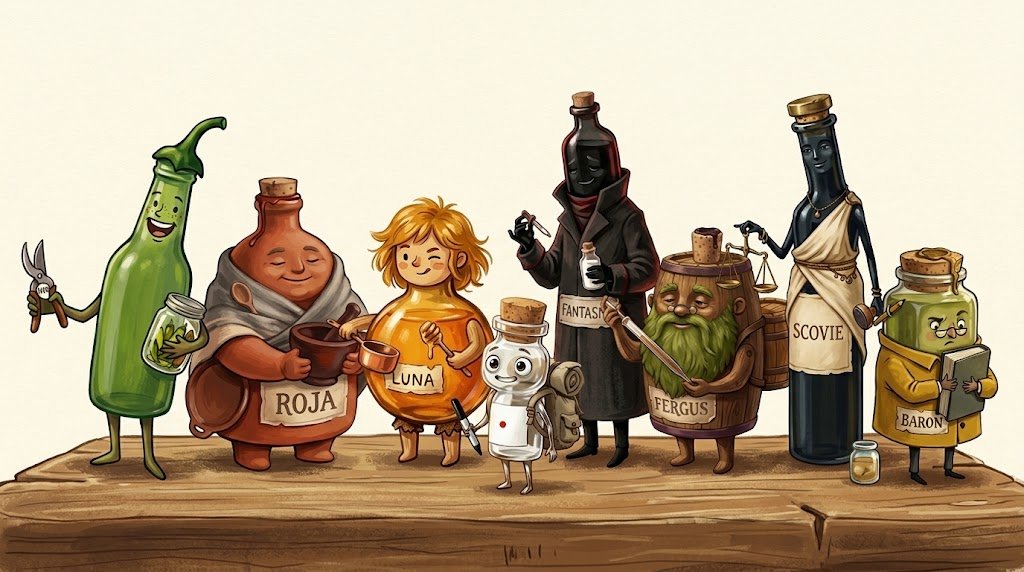
This is the story of hot sauce, told by the bottle-folk. They live in the margins of the CapsaMark registry — eight bottles, each one a part of how hot sauce works. None of them is a real maker. Nothing here is a claim about a real sauce. What follows is the real story of peppers, heat, and flavor, explained by fictional characters.
How hot sauce works
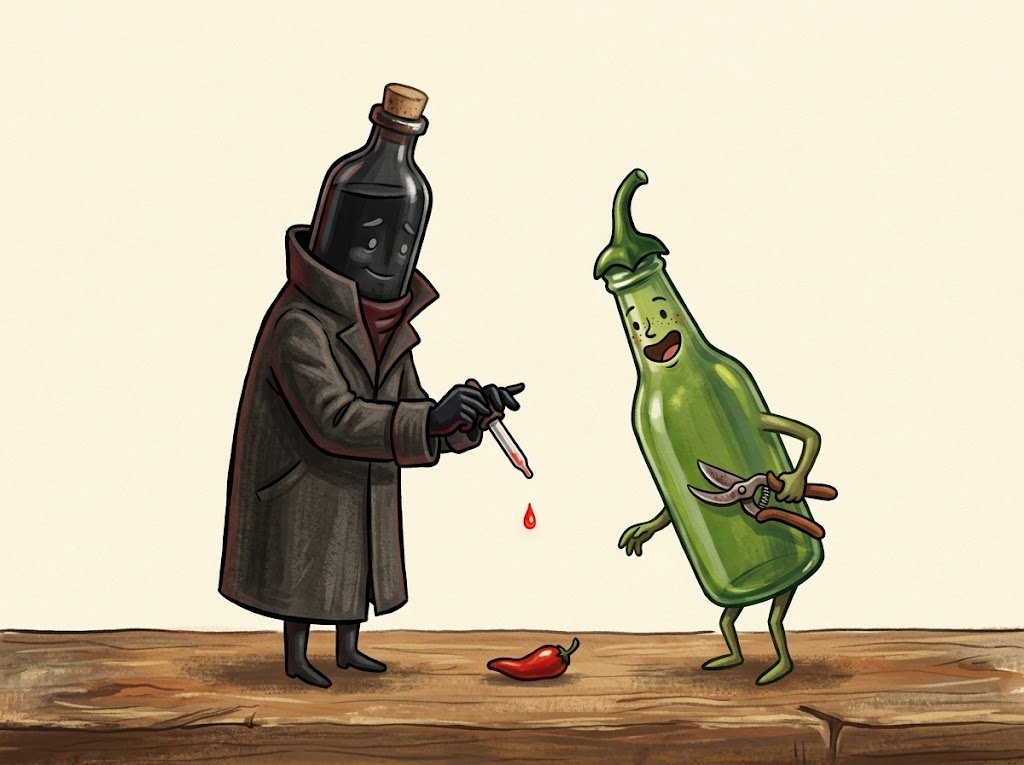
Fantasma explains the heat. A pepper’s burn comes from capsaicin, a compound the plant makes to protect its seeds. Capsaicin binds to TRPV1 receptors — the same receptors that sense actual heat and pain. Your tongue is not being burned. Your nerves are reporting a burn, and your brain believes them.
That is why hot sauce feels like fire without any fire. The heat is a signal, not a temperature.
The Scoville scale measures how much capsaicin is in a pepper or a sauce. Wilbur Scoville invented it in 1912. His method was simple: dilute a pepper extract until a panel of tasters could no longer feel the heat. The more dilution needed, the higher the number. Today the measurement is done in a lab, but the idea is the same. It is a measure of capsaicin, not of flavor.
The scale has limits. It says nothing about taste. A sauce can be high on the scale and taste like nothing but pain. A sauce can be low on the scale and taste like everything. A jalapeño sits around a few thousand on the scale. A habanero sits around a hundred thousand or more. A Carolina Reaper sits over a million. The numbers tell you the heat. They do not tell you the sauce.
Scovie keeps the scale in its place: it measures heat, and heat is only one part of a sauce.
Vera adds the plant’s side of it. Peppers make capsaicin in the white pith inside the fruit, not in the seeds. The seeds pick it up by contact. A green jalapeño is the same pepper as a red one, picked earlier. Ripeness changes the flavor and the heat. The plant does not care about your tolerance. It makes what it makes.
Endorphins
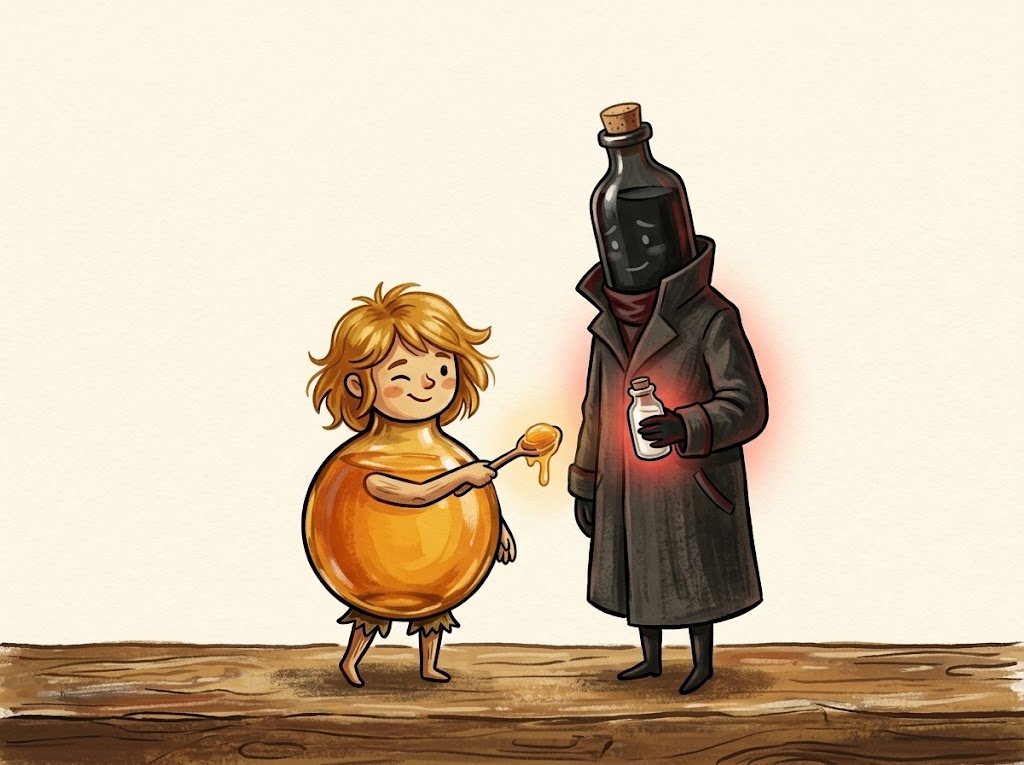
Fantasma carries a small bottle of milk. He knows what comes after the burn.
When capsaicin trips the pain receptors, the brain responds as if the body is hurt. It releases endorphins, the body’s own painkillers, and a little dopamine with them. The burn fades. What is left is a lift — a warmth, a clearing of the head, a small rush. That is the part people come back for.
It is not an addiction in the medical sense. It is a loop: pain, response, relief, pleasure. The body learns that the burn is safe, and the reward is real. People who chase hotter sauces are chasing that loop, not the pain itself.
Luna knows the other half. Sweetness does not cancel heat. It gives the heat somewhere to go. A sauce that is only hot is a dare. A sauce that is sweet and hot is a flavor. The endorphin lift is better when the sauce tastes like something.
Does hot sauce cool you down?
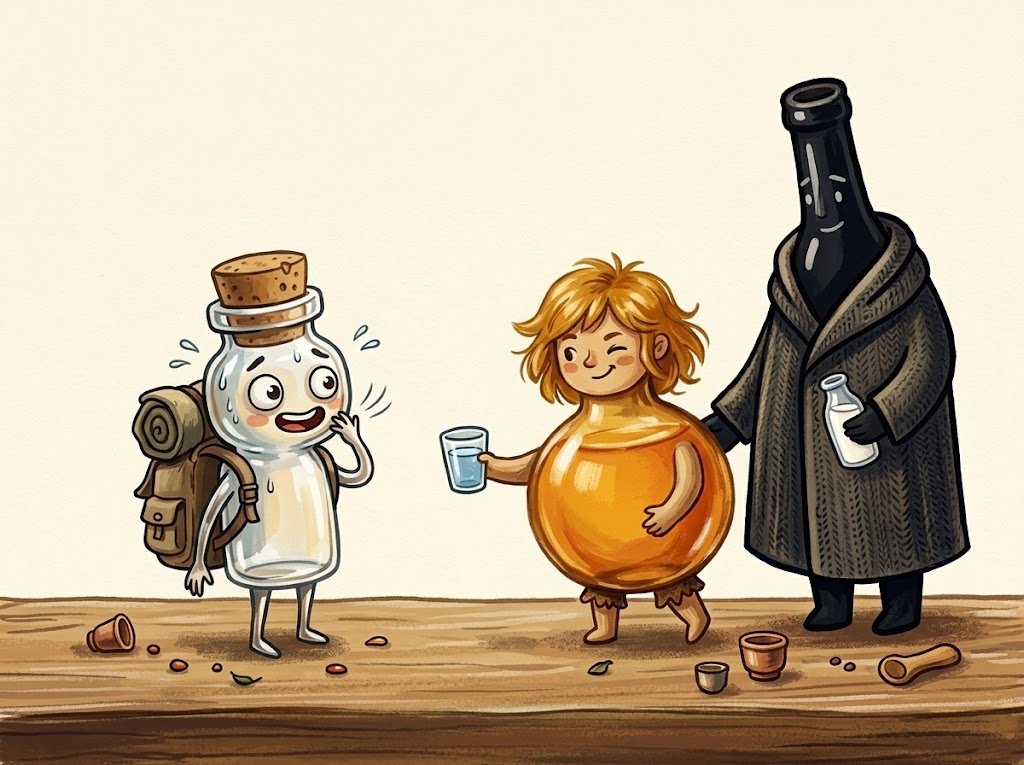
Fantasma explains the sweat. When capsaicin trips the TRPV1 receptors, your brain reads it as overheating and turns on the cooling response: sweat, mostly on the face and scalp, and blood rushing to the skin, which is why you flush. The sweat evaporating off your skin pulls heat away. That is the cooling you feel.
Here is the honest part. Your core temperature actually goes up a little after eating capsaicin, not down. In controlled studies, people who ate about a gram of red pepper had a higher core temperature than the same meal without pepper, even though their skin was cooler. Capsaicin also raises your metabolism, so it makes more internal heat than the sweating removes. What you feel is heat moving to the surface, not heat leaving your body.
Humidity makes the gap bigger. Sweat cools you only when it evaporates, and in humid air it barely evaporates. So in a humid place, the extra sweating gives you less real cooling. What you feel is mostly your skin cooling from the sweat sitting on it and the blood flow shift, plus the endorphin lift. The feeling is genuine. The core cooling is not.
There is a longer-term upside. A 2022 study in the Journal of Thermal Biology found that daily capsaicin over ten days improved how well sweat evaporates during exercise in 95-degree heat. A 2019 field study in Hyderabad followed 120 outdoor laborers for six weeks; those eating a curry blend with about 2.5 milligrams of capsaicin a day reported 31 percent fewer heat exhaustion episodes. Regular spicy food may train your body to handle heat better, even if one meal does not cool your core.
It fits the pattern. The spiciest cuisines come from the hottest places: India, Thailand, Mexico, the Caribbean. The best-supported reason is not cooling but preservation. A 1998 study found that spice use tracks average temperature, and hotter climates use more spices with stronger antimicrobial effects, which matters when food spoils fast in the heat.
How flavors bounce together
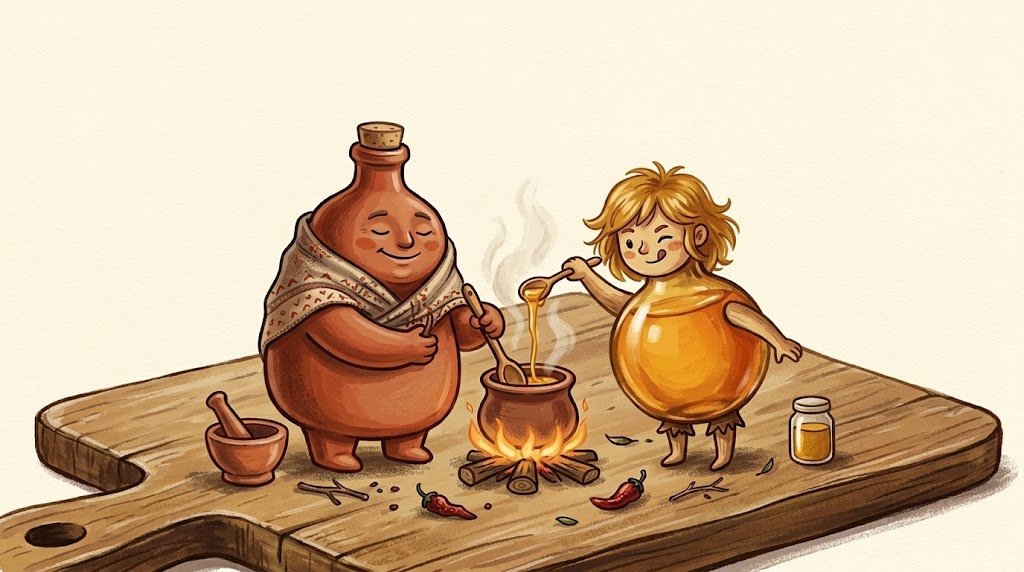
A good hot sauce is a balance, not a single note. Luna sweetens. Roja smokes. Fergus waits. Baron keeps order.
Heat is one input. Acid is another. Vinegar brightens a sauce and makes the heat feel sharper and cleaner. Without acid, heat sits heavy. With it, heat lifts. Baron guards the acid. He is fussy about it because it is also what keeps a sauce safe on the shelf. Acid and salt hold back the bacteria that would spoil it.
Sweetness tames heat without removing it. Honey, fruit, or a little sugar rounds the edges so you can taste what is underneath the burn. Luna does this work. She is both sweet and hot, and she refuses to be simplified to one side.
Smoke adds depth. A chipotle is a jalapeño that was smoked and dried. The smoke gives a sauce a low, earthy note that heat alone cannot make. Roja knows this. She has cooked over fire longer than the others have been bottles. Her rule is simple: feed people until they tell the truth about what they taste.
Fermentation adds a third dimension. Fergus lets peppers sit in salt brine for weeks or months. Bacteria eat the sugars and make lactic acid. The sauce gets tangy, funky, and complex in a way that vinegar alone cannot match. Time does the work. Fergus loves time. His fear is running out of it before his best batch is ready.
Salt ties it together. Too little and the flavors stay flat. Too much and it is all you taste. A sauce is a system: heat, acid, sweet, salt, smoke, and time, each one changing how the others land.
Origin of peppers
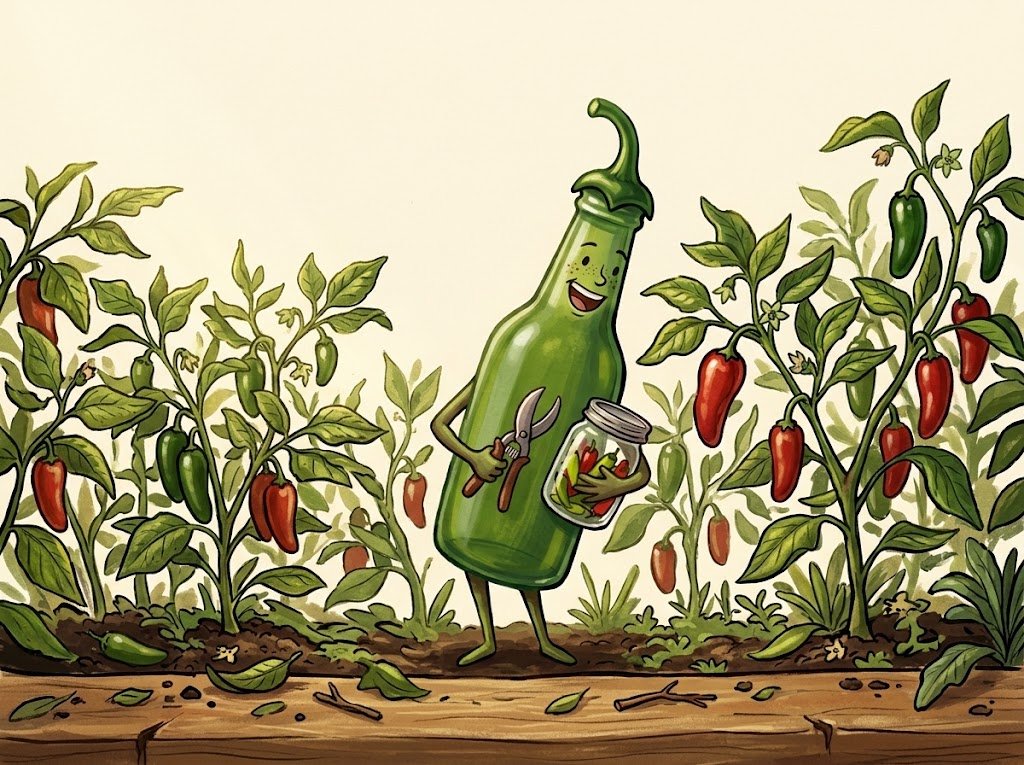
Vera is the youngest, and she asks where peppers came from. The answer starts in the Americas.
Peppers are Capsicum, a genus native to Central and South America. People there domesticated them thousands of years ago, long before any European ship arrived. Peppers were food, medicine, and seasoning. They were bred for size, color, and heat.
Then the Columbian Exchange carried them around the world. After 1492, peppers traveled to Europe, Africa, and Asia on ships. Everywhere they landed, people made them their own. Hungary made paprika. Thailand built dishes around bird’s eye chilies. Korea fermented them into gochujang. India built curries around them. China put them in Sichuan cooking, where heat meets numbing Sichuan pepper.
No single country owns the pepper. It started in the Americas and became a world ingredient. That is why a registry of hot sauce makers has to be worldwide. The pepper went everywhere, and so did the people who cook with it.
Roja adds the part that matters to her: recipes travel, but they also stay. A family’s sauce recipe is a record of where they came from and what they had. Her fear is recipes dying unwritten. Write them down.
Life cycle of a hot sauce
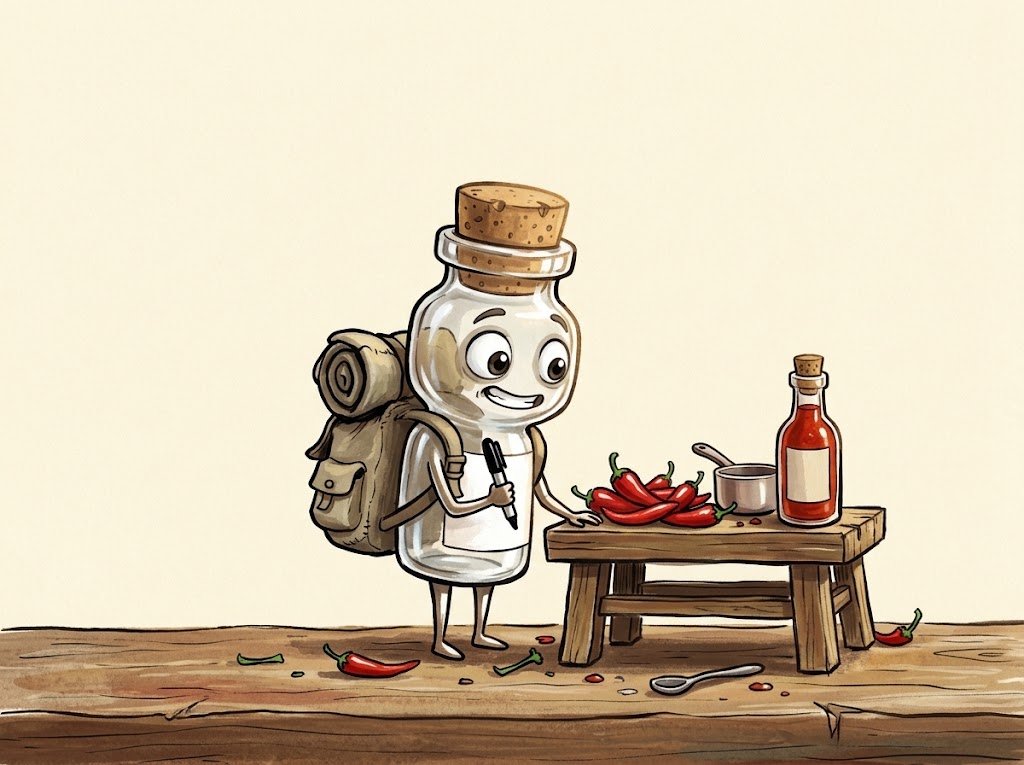
Pip asks how a sauce comes to be. Vera answers first, because it starts with her.
A pepper is grown. Seed, soil, sun, water. The variety decides the flavor and the heat. The grower decides when to pick. Green is grassy and bright. Ripe is sweeter and fuller. The harvest is the first decision.
Then the pepper is processed. Some sauces are made fresh: peppers blended with vinegar, salt, and whatever else the maker uses. Some are fermented: peppers in brine for weeks or months, until Fergus says the time is right. Some are smoked first, the way Roja does it. The method is the maker’s signature.
Then it is bottled. The sauce is cooked or blended, adjusted for salt and acid, and put in a bottle. Baron checks the shelf life. The acidity has to be low enough to be safe. The label goes on. The bottle is the sauce’s first impression.
Then it is sold. Farmers markets, a small shop, a website, a few local stores. Someone tastes it. Someone buys a bottle. Someone comes back. That is the whole business, repeated one bottle at a time.
Then it is tasted. At a table, on food, with bread and milk nearby. The sauce either earns its place or it does not. Scovie’s rule: describe what you actually taste. Not what you expected. Not what the label promised. What is in your mouth.
That is the life cycle: seed, harvest, ferment or blend, bottle, sell, taste. Every sauce in the registry went through it.
Life cycle of a hot sauce brand
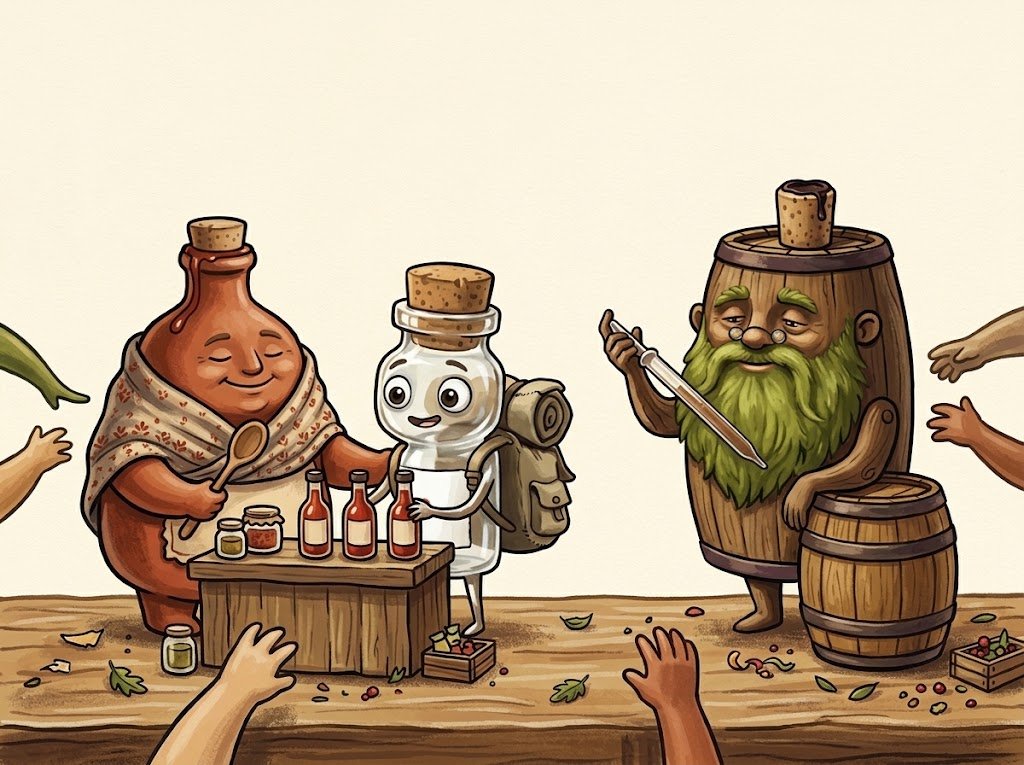
Pip is the new maker. His label is blank except for one small red dot. He asks how a blank bottle becomes a brand.
It starts in a kitchen. One batch, made by hand, for friends and family. The first bottles are given away. The feedback is honest because the tasters are not customers yet. Pip writes down what they say.
Then a farmers market. A table, a few bottles, a tasting spoon. Strangers taste it. Some buy. Some do not. The maker learns what sells and what does not. The label gets a name. The recipe gets written down properly, because it has to taste the same every time.
Then a little more. A local shop takes a case. A restaurant puts it on a table. The maker needs a bigger pot, a commercial kitchen, a food license. The batch size grows. The cost per bottle has to work. This is where most kitchen sauces stop. The jump from hobby to business is the hard part.
Then distribution. A distributor, a regional chain, an online shop. The brand needs a barcode, a shelf life, a consistent supply. The maker is no longer just cooking. They are ordering peppers, managing inventory, answering emails, and still making sauce.
Then, if it holds together, a real brand. Not a big one. Most hot sauce brands stay small. But a real one: a name people recognize, a sauce people ask for by name, a record in a registry. Pip’s fear is being invisible, or seen and found ordinary. The answer is not a louder label. It is a sauce that earns its place, one bottle at a time.
Scovie weighs in at the end. A brand is not a badge. It is a record of work: the peppers, the batches, the markets, the customers who came back. The registry lists the fact of it. The sauce does the rest.
Meet the bottle-folk
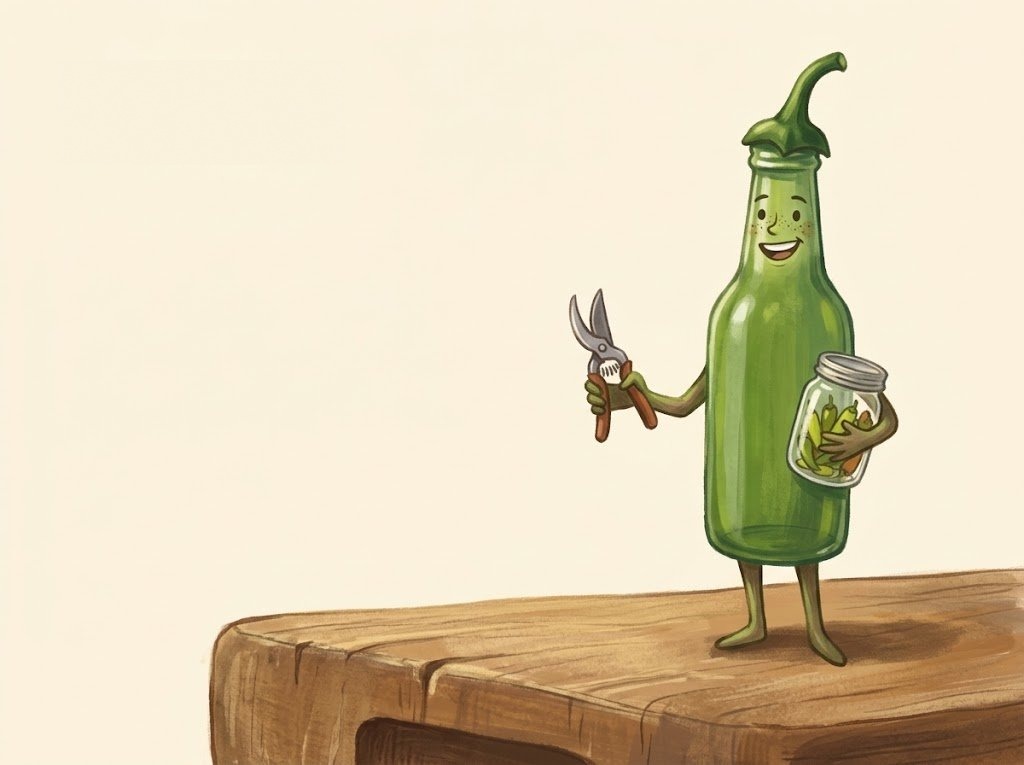 Vera Verde, the Jalapeño Kid — the pepper, the plant, the fresh heat. She runs ahead.
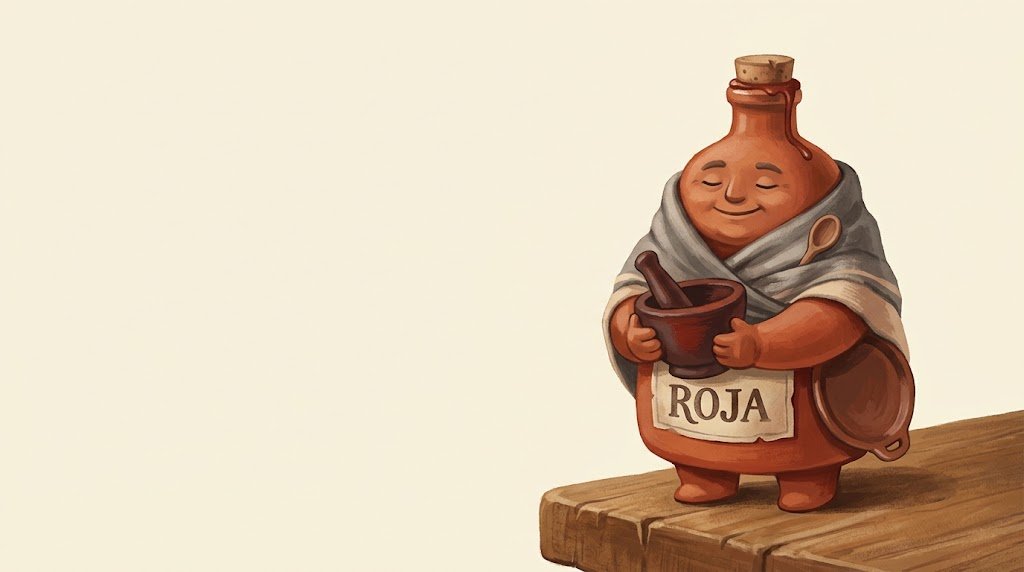 Mama Roja, the Chipotle Matriarch — smoke, cooking, tradition. She feeds.
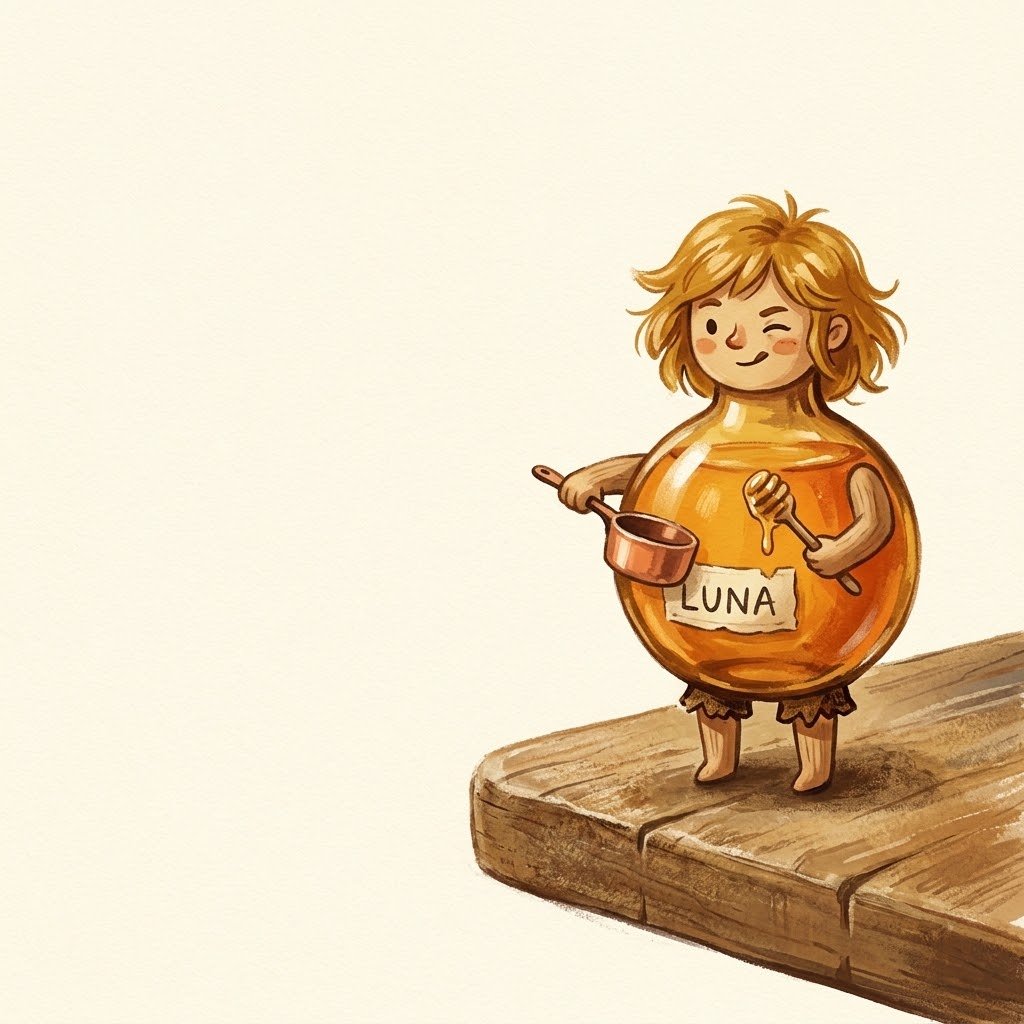 Luna Miel, the Honey Habanero — sweet heat, flavor balance. She sweetens.
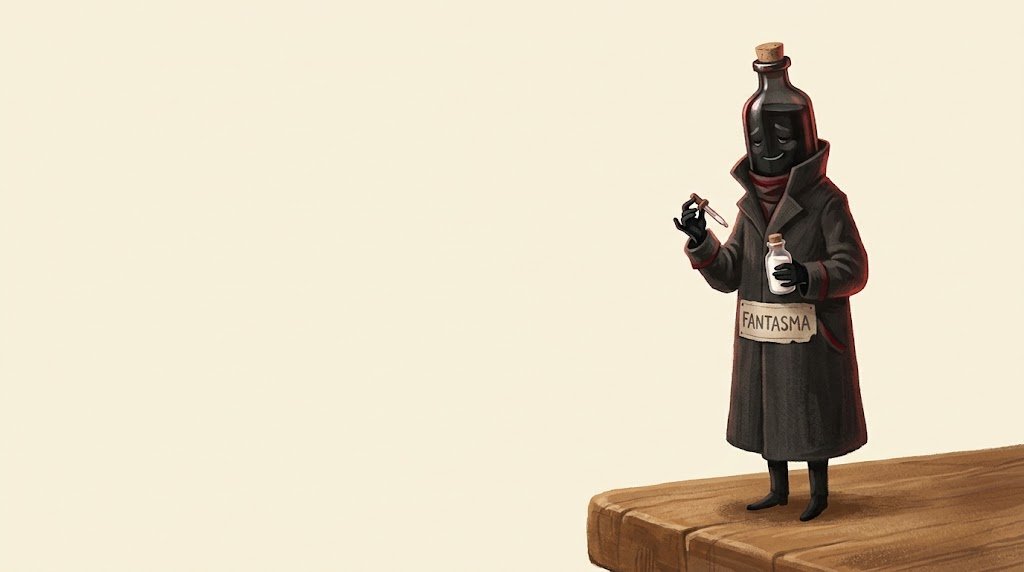 Fantasma, the Reaper — capsaicin, the burn, the endorphin lift. He burns.
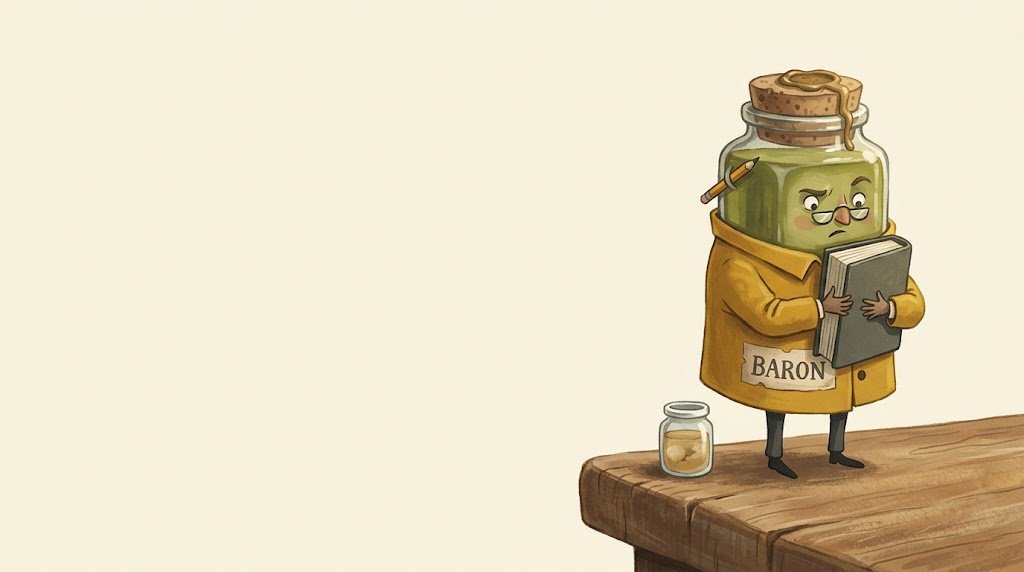 Baron Vinegar, the Preserver — vinegar, acidity, shelf life. He worries.
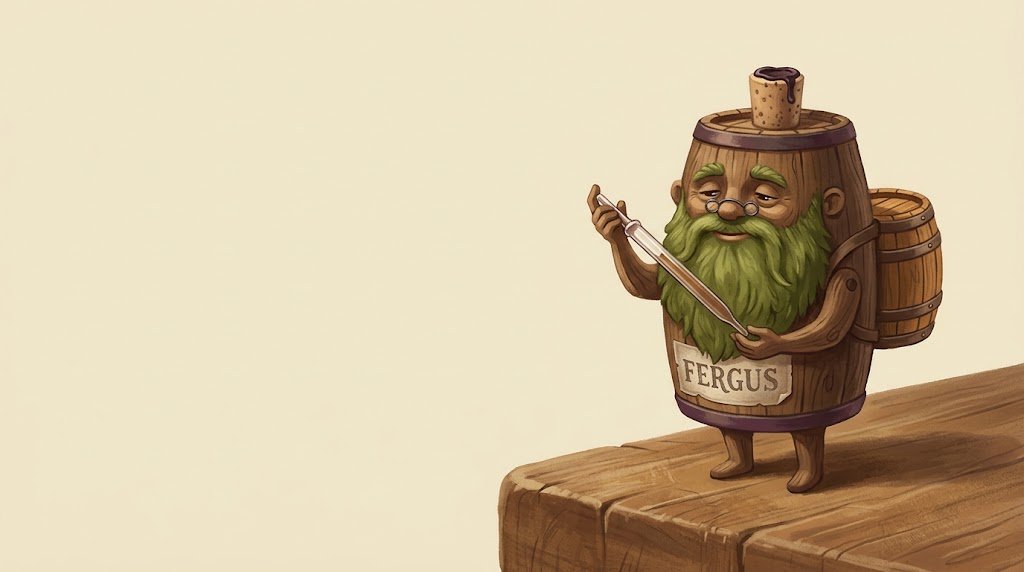 Fergus Ferment, the Old Alchemist — fermentation, time, transformation. He waits.
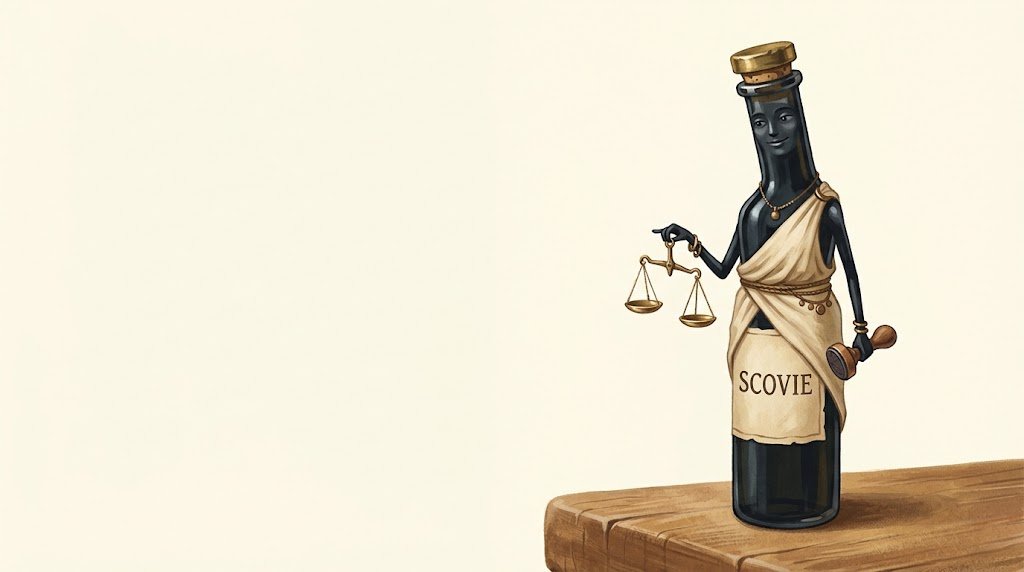 Scovie, the Keeper of the Mark — verification, honest judgment. She weighs.
 Pip, the Blank Bottle — the new maker, the audience. He asks the question.
They are fictional. None of them is a real maker, and nothing on this page is a claim about a real sauce. They are here to explain how hot sauce works — the story of peppers, heat, and flavor, told by the bottles who live in the registry’s margins.